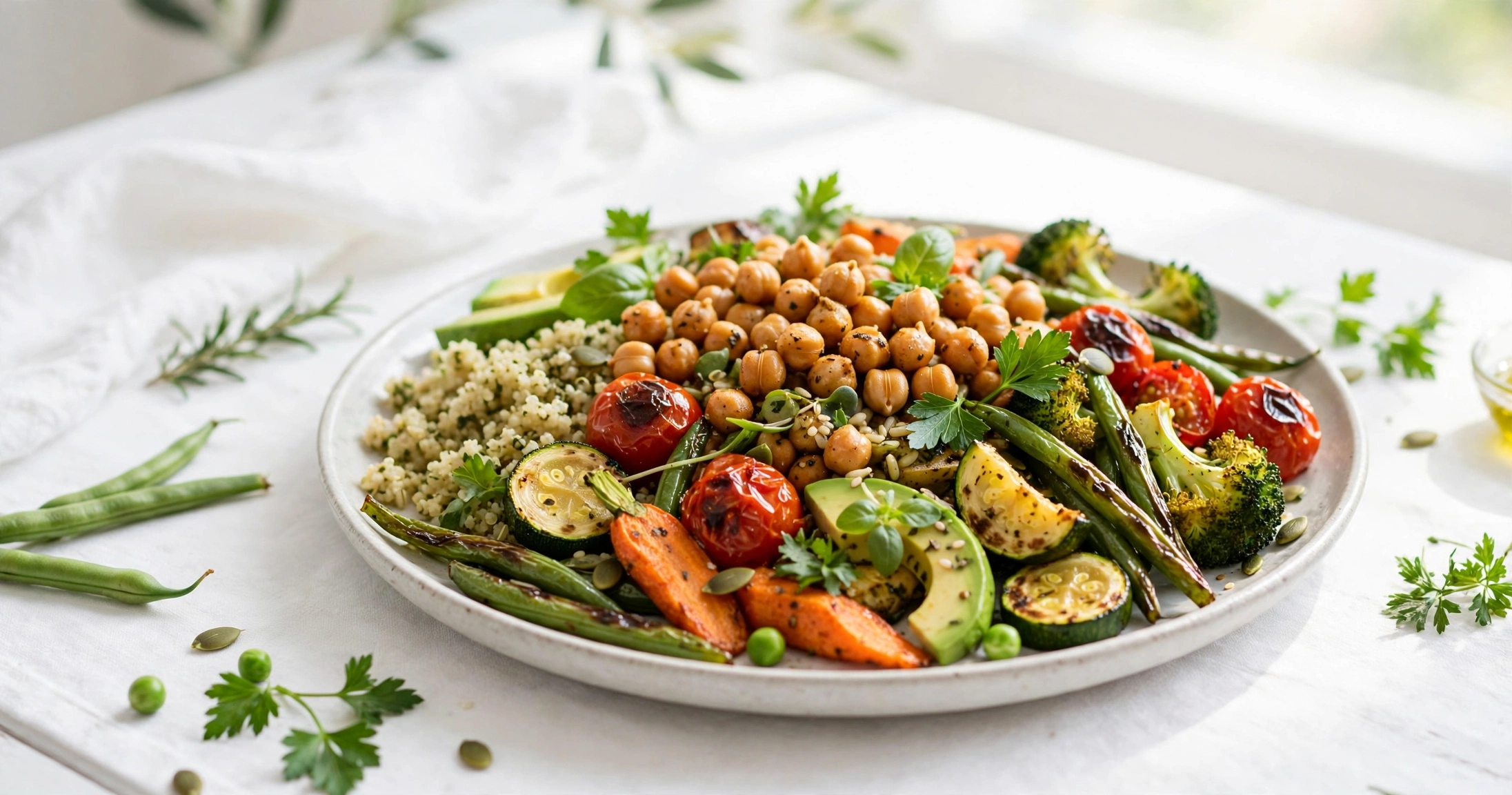
The flexitarian diet is a mostly plant-based way of eating that still allows meat and fish occasionally. You build most meals around vegetables, fruits, whole grains, beans and nuts, and eat meat only sometimes, in smaller portions. It is flexible by design, which makes it easier to follow than a strict vegetarian or vegan diet.
 What Is the Flexitarian Diet?
The word flexitarian combines "flexible" and "vegetarian". The idea is simple: plants come first, and animal foods play a supporting role rather than starring in every meal. Some people eat meat once or twice a week, others only a few times a month.
What matters most is the overall pattern. A flexitarian plate is usually rich in fibre, vitamins and minerals, and lower in saturated fat and processed meat than a typical meat-heavy diet. Because nothing is fully forbidden, most people find it easier to keep going. It also fits real life: you can eat this way at home, at a restaurant or at a family gathering without needing a special menu.
Flexitarian vs Vegetarian vs Vegan
A vegetarian diet excludes meat and fish but usually includes dairy and eggs. A vegan diet excludes all animal products, including dairy, eggs and honey. A flexitarian diet sits between the two: plants dominate, but meat, fish, dairy and eggs are all allowed in moderation.
A vegetarian never eats chicken, while a flexitarian might eat chicken at a Sunday roast and eat plant-based meals for the rest of the week. Neither approach is better for everyone. The right choice is the one that fits your health, your values and your daily life, and that you can sustain happily.
What to Eat on a Flexitarian Diet
Most meals should be built from plant foods:
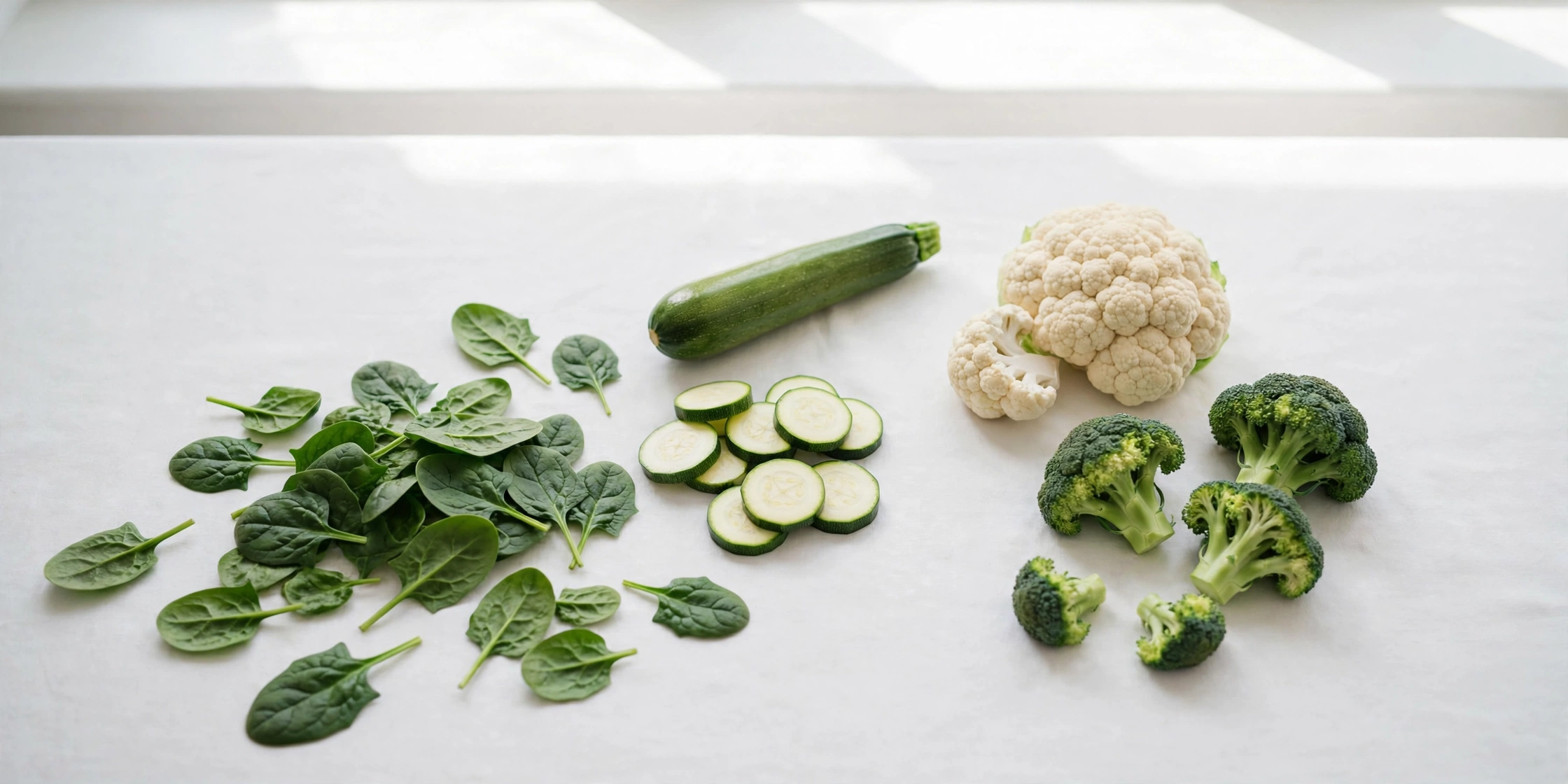
- Vegetables and fruits: leafy greens, broccoli, carrots, peppers, tomatoes, berries, apples and citrus fruits.
- Whole grains: oats, brown rice, wholemeal bread, quinoa, barley and wholewheat pasta.
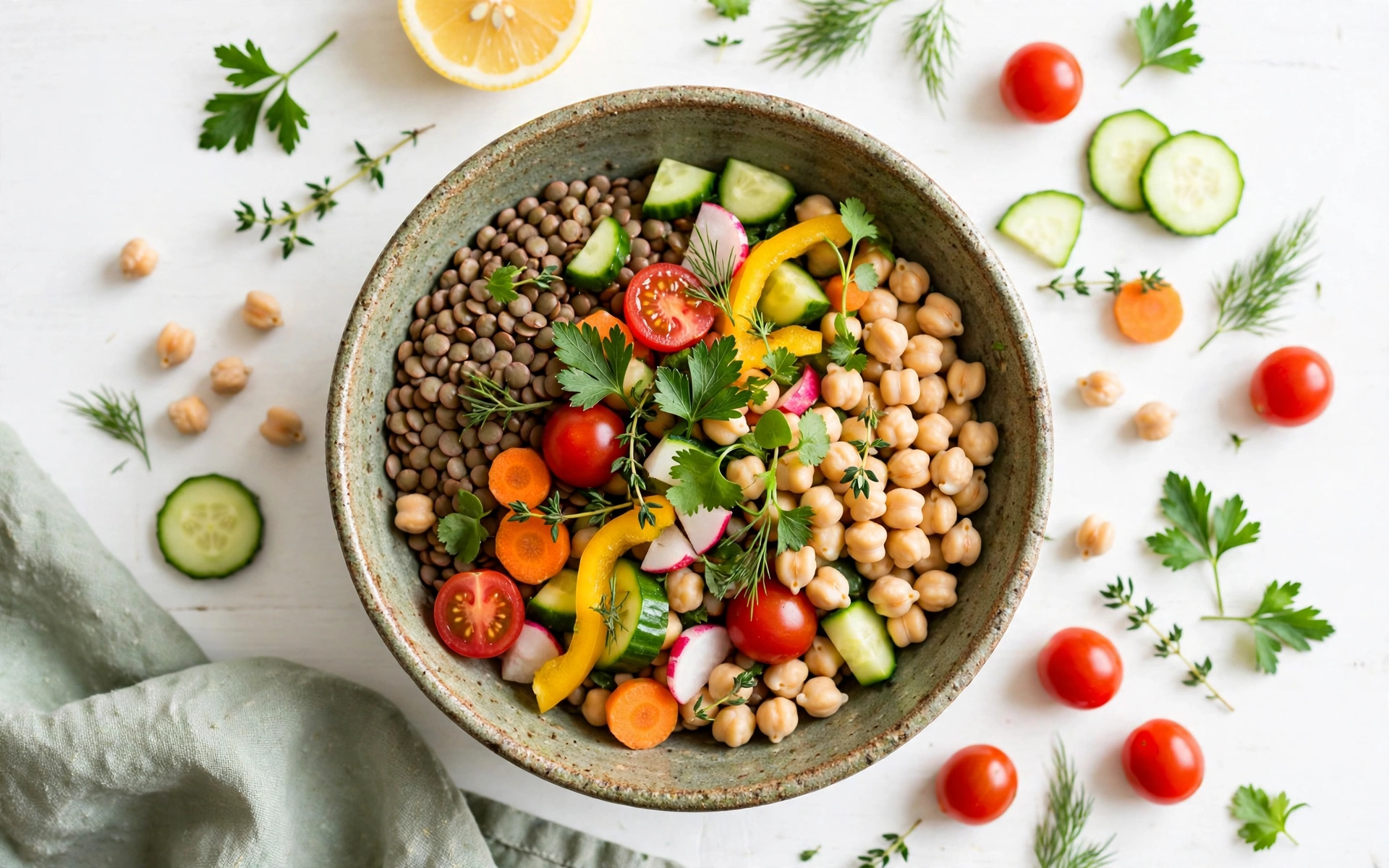
- Legumes: lentils, chickpeas, black beans, kidney beans and peas, cheap and filling, rich in protein and fibre.
- Nuts and seeds: walnuts, almonds, cashews, pumpkin seeds, chia seeds and flaxseeds.
- Plant proteins: tofu, tempeh and edamame, great in stir-fries, curries and salads.
- Healthy fats: olive oil, rapeseed oil and avocado.
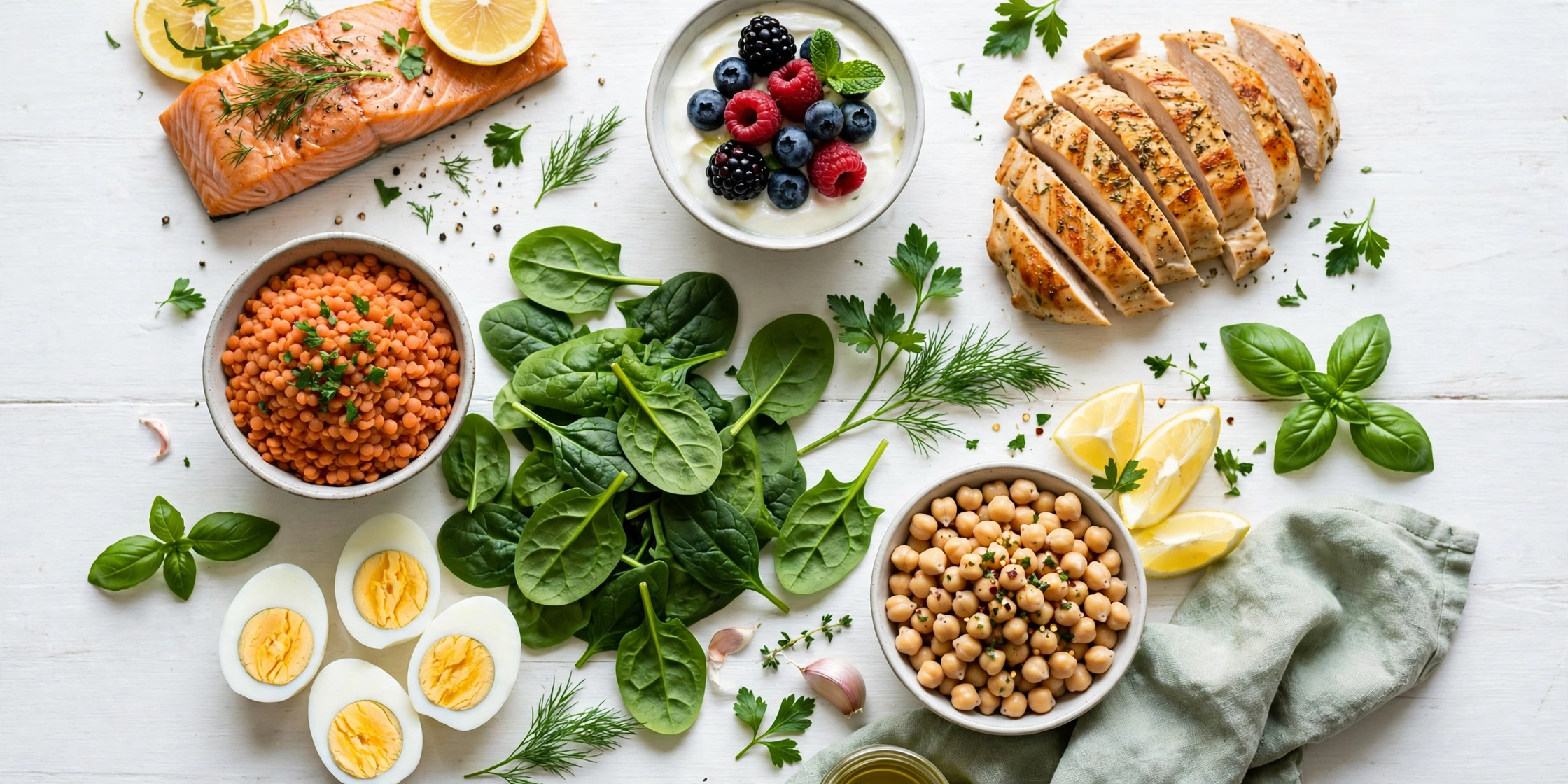
Animal foods are not banned, but they become occasional rather than automatic. When you do eat them, choose quality over quantity: a small portion of fish, chicken or eggs, or a modest serving of cheese or yoghurt. Cutting back on processed meats such as sausages, bacon and salami is one of the easiest first steps. To check how a day of flexitarian eating fits your energy needs, log meals with the meal log tool and estimate your daily calorie needs with the BMR and TDEE calculator.
A Sample Day of Eating
A flexitarian day does not need complicated recipes. Here is one simple example:
- Breakfast: porridge oats with berries, banana and peanut butter.
- Lunch: salad with chickpeas, quinoa, cucumber, tomatoes and feta, dressed with olive oil and lemon.
- Snack: an apple with walnuts, or hummus with carrot sticks.
- Dinner: lentil and vegetable curry with brown rice, or vegetable stir-fry with tofu and noodles.
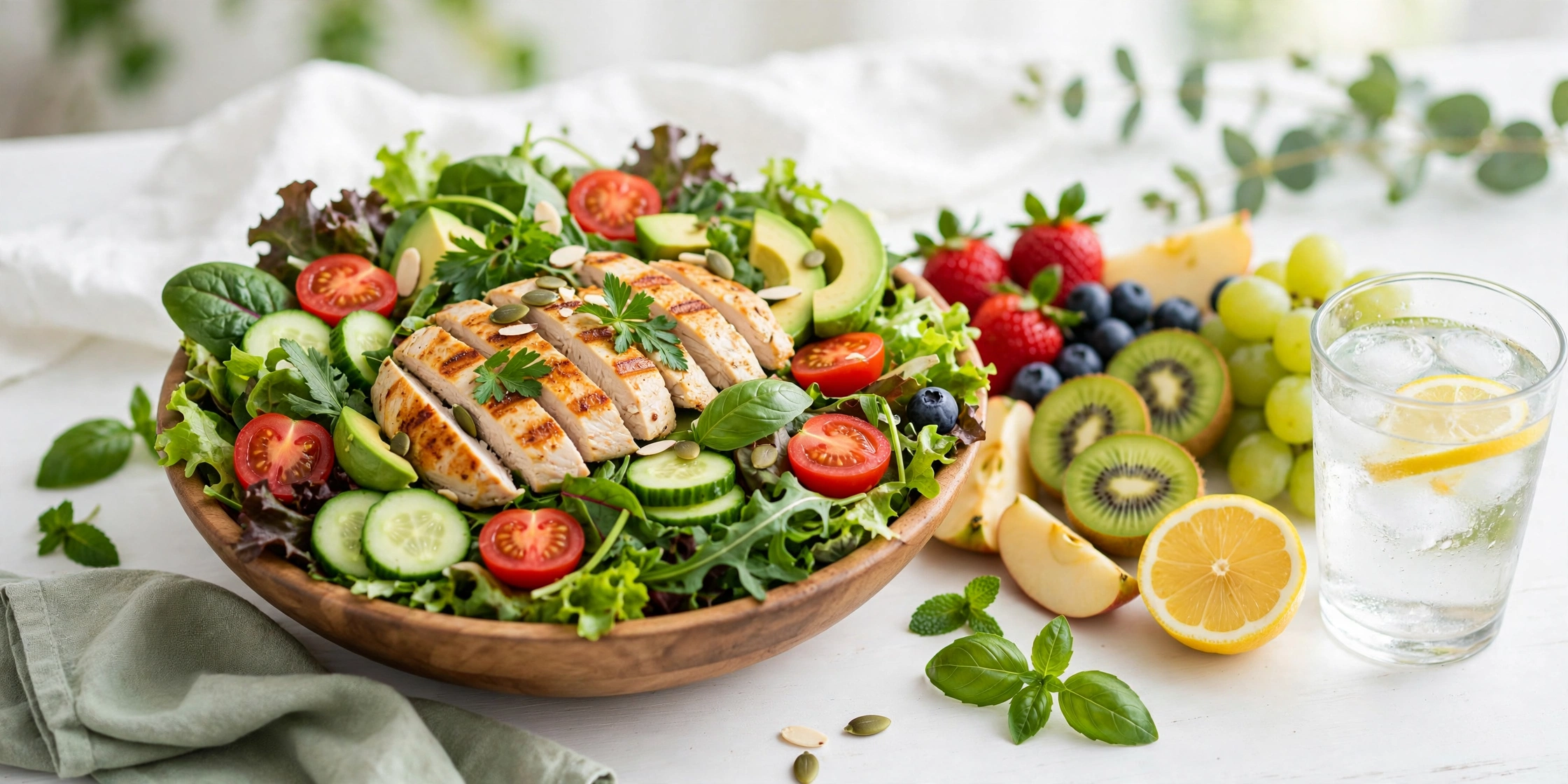
- Meat day option: swap one dinner a week for grilled chicken or fish with roasted vegetables.
Every meal is filling and built around plants, even the one that includes meat. That is the flexitarian pattern: plants first, animal foods second, with plenty of flavour from herbs, spices, garlic, lemon and chilli.
 Benefits of the Flexitarian Diet
Eating mostly plants brings several well-established benefits. Plant-rich diets tend to be high in fibre, which supports digestion and keeps you full after meals. They are also rich in vitamins, minerals and antioxidants, and usually lower in saturated fat than diets centred on red and processed meat. Many people find their meals become more varied, because cutting back on meat pushes them to try new beans, grains and vegetables. For weight management, plant foods are filling for relatively few calories, so it is easier to feel satisfied while eating less.
Possible Downsides to Watch For
The most common pitfall is protein. If you simply remove meat without replacing it, meals can end up low in protein and leave you hungry. Include a protein source at every meal: beans, lentils, tofu, eggs, dairy, fish or a small portion of meat. Our 7-day high-protein meal plan for beginners shows how to spread protein across the week.
Vitamin B12 and iron deserve attention too. B12 is found mainly in animal foods, so people who eat meat only rarely may need fortified foods such as fortified plant milks or breakfast cereals, and some need a supplement after talking to a doctor. Iron from plants is absorbed less easily, so pair lentils, beans and leafy greens with vitamin C-rich foods such as peppers, tomatoes or citrus fruit. Beware the "junk food flexitarian" trap: replacing meat with chips, white bread and sugary snacks misses the point. The benefits come from eating more whole plant foods, not simply from eating less meat.
Who Is the Flexitarian Diet Best For?
This diet suits people who want to eat more healthily but are not ready, or do not want, to give up meat completely. It works well for busy families, because one meal can suit everyone: the base is plant-based, and meat can be added for those who want it. If you have a medical condition, are pregnant, or take medication affected by diet, talk to a doctor or dietitian first.
How to Start a Flexitarian Diet
Start small so the change sticks. Pick two or three meatless days a week and build them around meals you already enjoy, such as a bean chilli, a vegetable pasta or a lentil soup. Learn two or three plant-protein recipes you genuinely like. Keep your pantry stocked with lentils, chickpeas, canned beans, oats, rice, nuts and spices.
When you do eat meat, make it a conscious choice: a smaller portion, better quality, and plenty of vegetables alongside it. Use the meal log for a week or two to see your real pattern. If you enjoy Mediterranean-style eating, our Mediterranean diet beginners guide pairs naturally with flexitarian eating. Be patient: if a week includes more meat than planned, return to plant-based meals next time.
Key takeaways
- The flexitarian diet is mostly plant-based eating with meat and fish allowed occasionally.
- Build meals around vegetables, fruits, whole grains, beans, nuts and plant proteins.
- Include a protein source at every meal so you stay full and satisfied.
- Watch B12 and iron if you eat meat only rarely, and pair plant iron with vitamin C.
- Start with two or three meatless days a week and build from there.
Frequently asked questions
Is the flexitarian diet healthy?
Yes, when it is built around whole plant foods. It is typically high in fibre, vitamins and minerals and lower in saturated fat and processed meat. Eat plenty of vegetables, beans, whole grains and nuts rather than simply replacing meat with processed snacks.
Can you lose weight on a flexitarian diet?
Many people do, because plant foods such as vegetables, beans and whole grains are filling for relatively few calories. Weight loss still depends on overall calorie balance, so portion sizes and regular movement matter too.
How much meat can you eat on a flexitarian diet?
There is no single official limit, which is part of the diet's flexibility. A common pattern is meat a few times a week in modest portions, with plant-based meals the rest of the time. What matters is the overall pattern: plants most of the time, meat sometimes.
Do flexitarians need protein supplements?
Most flexitarians do not need protein supplements if they eat a varied diet with beans, lentils, tofu, eggs, dairy or occasional meat and fish. Protein powders can be convenient, but they are not required. Focus first on including a protein source at each meal.
Is the flexitarian diet good for beginners?
Yes, it is one of the easiest plant-based diets to start because nothing is completely banned. Start with two or three meatless days a week, learn a few plant-based recipes you enjoy, and gradually increase the plant share of your meals.
What is the difference between flexitarian and vegetarian?
A vegetarian does not eat meat or fish at all, while a flexitarian eats mostly plant-based meals but still eats meat or fish occasionally. A vegan goes further and avoids all animal products, including dairy and eggs.

Comments (0)
No comments yet. Be the first to share your thoughts!
Leave a comment